Sairishitha Week #1: In the Spotlight
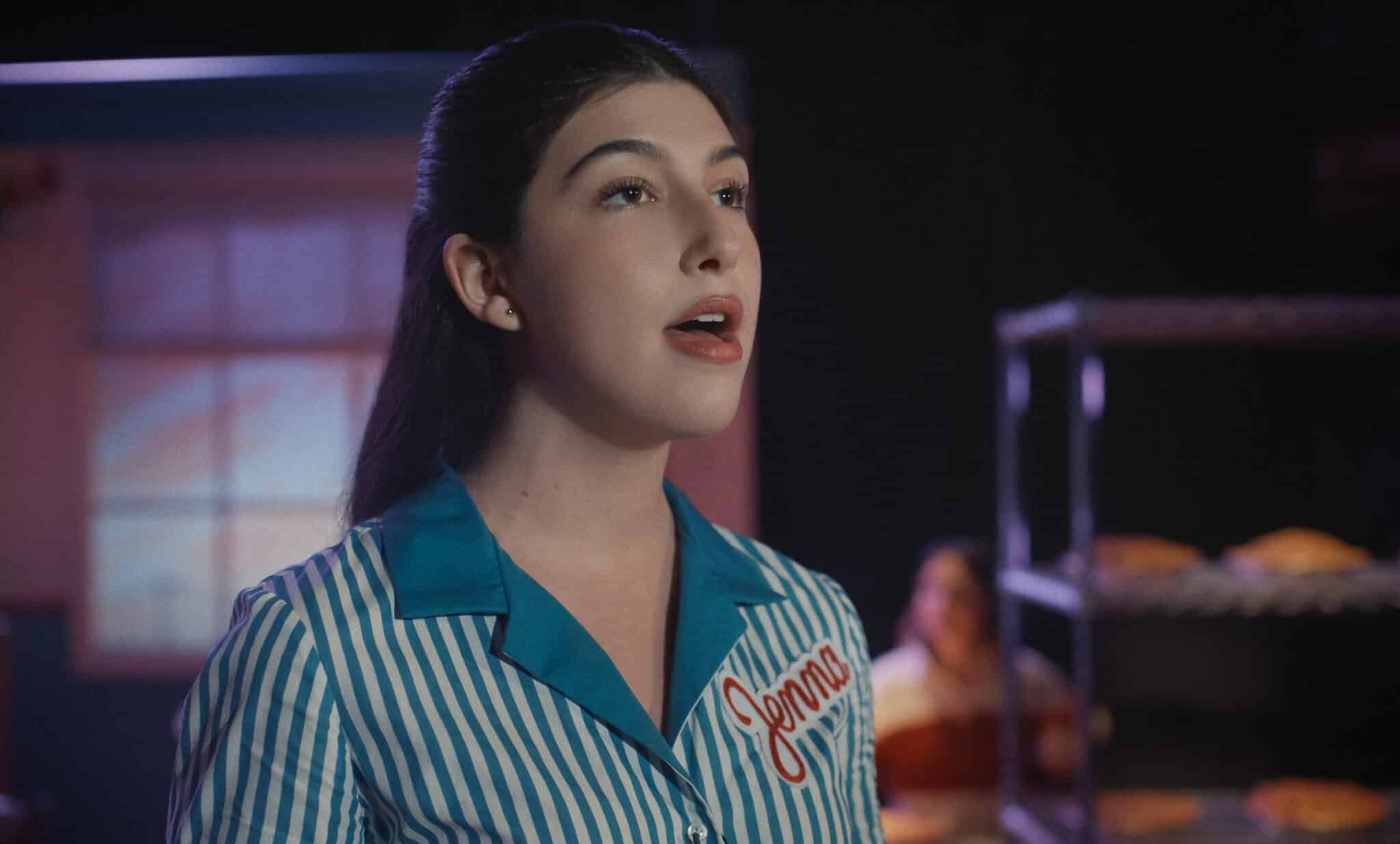
Sophie Birenbaum in Waitress; Netflix 2026
This past Sunday, in the midst of my studying, I took a break to watch Don’t Say Good Luck. A recent Netflix Original that follows Sophie Birenbaum’s theatrical activities and family life while in high school. While she juggles learning to drive, the lead in the school musical, and relationship problems, her mother, Elizabeth, experiences a cancer relapse.
Immediately after hearing the exposition, I resonated heavily with the main character’s crisis. Although I have never planned on auditioning for a musical production, her family dynamic and how Sophie processes her emotions lingered with me. Despite the family’s adversity, her parents continue to be deeply involved in their children’s lives, promising Sophie that they will be there to watch her perform.
At first, Sophie felt that she could not fill the role as the protagonist, having difficulty mastering Jenna’s southern accent for the musical. To combat this, her mother takes her to a shopping center to practice speaking with the workers. This scene displays the comforting relationship between mother and daughter, encapsulating how language connects the two of them, allowing them to briefly escape their troubles.
Throughout the film, Sophie is portrayed as an anxious, regular teenage girl, but theater opens a new realm for her, granting her the ability to open up and embrace her true personality.
Sophie, having a difficult time emotionally connecting to the song “She Used To Be Mine,” is told to discuss with her mother about being pregnant with her. Upon having this conversation, the two again illustrate their incredible, heart-warming relationship, showing how language teaches lessons and strengthens Sophie’s identity.
As time progresses, Sophie finds out that her mother’s cancer is getting worse and is shattered, believing that acting in the musical serves no purpose when her mother cannot be there. In the end, her mother convinces her that this is her passion and to not let this prevent her from performing. Thus, Sophie goes on to give a beautiful rendition of the song above, integrating her own raw emotions and pain that comes from seeing her mom undergo this horrific illness. No longer worrying about the small imperfections, she allows herself to be present within her role, giving a poignant performance.
It was not until the end of the movie that her classmates found out that her mother was sick. It truly reminded me that everyone has their own personal obstacles, and even if they want to keep it to themselves, I need to use my language to create a supportive environment.
It was incredible watching Birenbaum navigate through a low point in her life, balancing school activities with her difficult situation at home. She uses language to connect with her family, the crowd during her performance, and friends, building a community that she derives her own identity from as she collects her qualities and values from those around her.


Comments
Post a Comment